
Pärnamäeränk
Coastal Escarpment & Small-Leaved Lime (Tilia cordata)
Ancient linden groveAn accumulation of erratic boulders with an ancient linden grove is one of the most impressive places on the trail. This is a 6–7 m high coastal escarpment with a beautiful view of the coastal meadow spreading out below, the sea, and Sarve Peninsula.
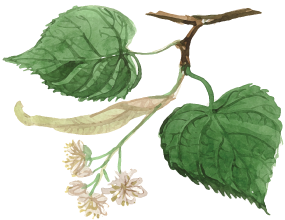
The small-leaved lime (Tilia cordata) is generally a large tree with a straight trunk and broad crown that can live up to 500 years. In Estonia, the maximum height of a lime is 35.5 m and trunk circumference at breast height 6.8 m. The flowers bloom in July.
The fruits are pea-sized nutlets from which tasty edible oil can be obtained. Linden-dominated woodlands in Estonia cover only about 90 hectares, mainly on the north coast and in Western Estonia. The wood is soft and easy to carve, but has low heating value and dries slowly. In former times, cordage and bast shoes were made from the inner bark (bast) of young linden trees. Tea brewed from the blossoms has strong medicinal properties and is not suitable for daily use. Tea and vitamin salads prepared from spring leaves can be consumed without restriction. Known as a sacred sacrificial tree, the linden was dedicated to female deities in many parts of Europe in pre-Christian times.
Undergrowth, Erratic Boulders & Key Habitat
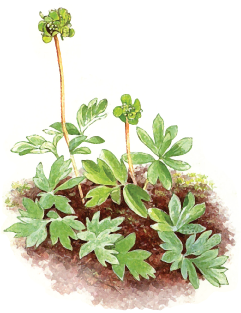
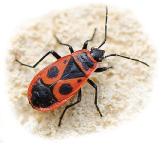
Woodland key habitatThe undergrowth of the linden grove is relatively sparse. In the herb layer, wood bluegrass (Poa nemoralis) mainly grows, with lesser amounts of male fern, mountain melick, and herb-robert. In spring, common hepatica (Hepatica nobilis) and moschatel (Adoxa moschatellina) bloom here. Erratic boulders and the moss species growing on them make this linden grove a true woodland key habitat. On the ground and lower parts of tree trunks, numerous firebugs (Pyrrhocoris apterus) can be seen in summer. This species feeds on young linden fruits and other insects, but in southern regions it can also be a vegetable pest.
Nature conservation: Please do not damage the moss carpet on the stones, as it is a vital part of the nature and ambiance of Pärnamäeränk.